Garden Gnomes: History, Meaning & Buying Guide
From 19th-century German folklore to the addictive Google Doodle catapult game — everything worth knowing about the little bearded figure guarding your flower beds. Browse the full collection at Garden Gnome Hub.
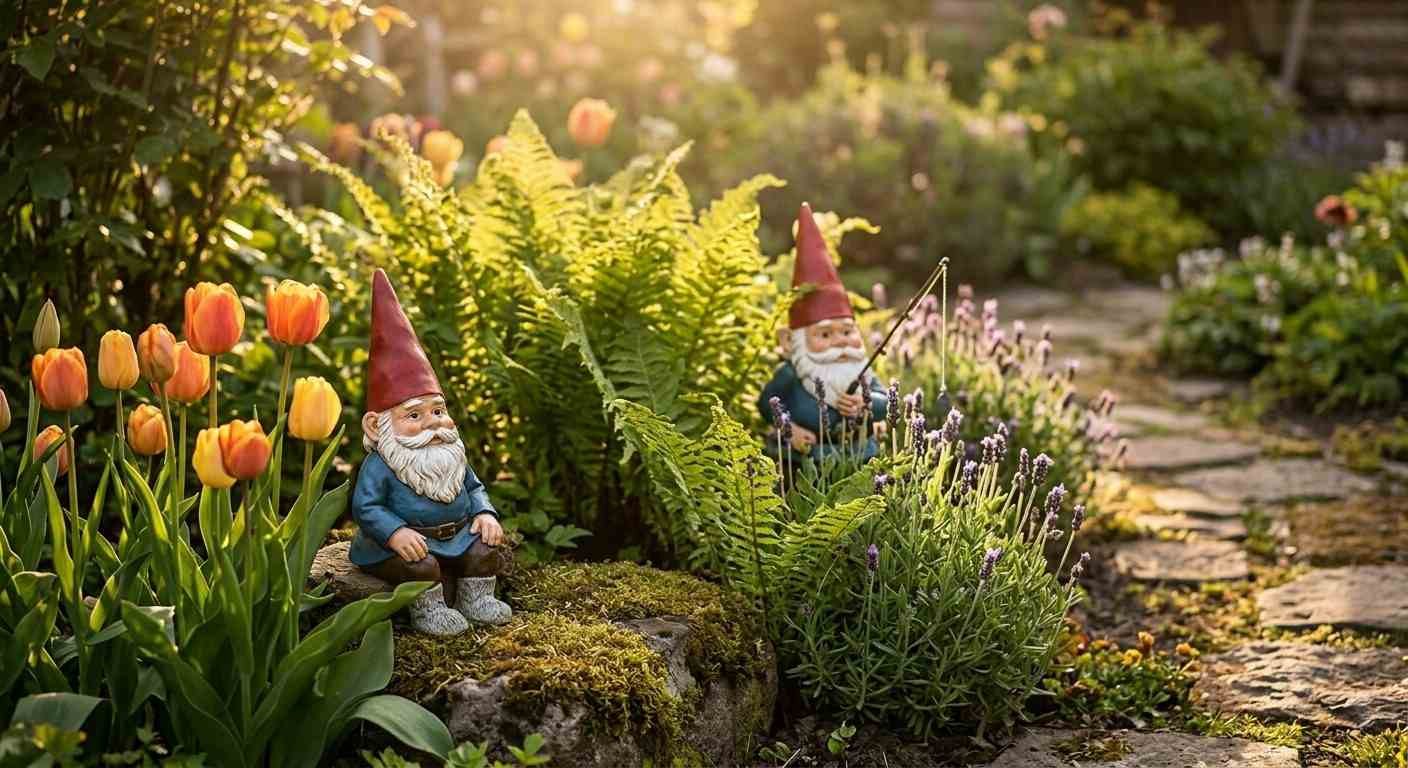
Garden gnomes are one of those objects everyone recognizes instantly — a small bearded figure in a pointed red hat, usually caught mid-task in someone’s flower bed. They’ve been mocked, banned, stolen as pranks, and turned into a full-blown Google Doodle game. Decades later, they remain one of the most popular garden accessories in the world.
The History of Garden Gnomes
Origins in 19th-Century Germany
The garden gnome as most people picture it today has its roots in 19th-century Germany, where craftsmen in the mining region of Thuringia began hand-carving small figures believed to bring good fortune to homes and gardens. In German, the figure is known as a gartenzwerg — literally, “garden dwarf.” Some historians trace gnome-like folklore figures even further back, to Alpine and Central European mining traditions, where dwarf-like spirits were said to guard underground treasure.
How Gnomes Spread Across the World
German gnome manufacturing boomed through the late 1800s, and the figures spread first through Europe, then internationally, as garden decor became more commercialized in the 20th century. Materials shifted over time from terracotta and wood to concrete, and eventually resin and plastic — making gnomes cheaper, lighter, and far more accessible.
Garden Gnomes in Pop Culture
Gnomes have shown up everywhere from film to golf. Limited-edition gnomes given out at the Masters golf tournament have become such sought-after collectibles that some resell for over $10,000, with speculation that a recent edition could be the last one produced — a striking jump from humble lawn ornament to five-figure collectible.
What Do Garden Gnomes Symbolize?
In German folklore, gnomes were originally seen as guardians — protective spirits watching over crops, homes, and gardens while their owners slept. Many gardeners today still place gnomes near entrances or vegetable beds as a lighthearted nod to that old protective tradition.
Types & Materials
Gnome styles range from classic hand-painted figures to playful modern novelty designs and tiny fairy-garden versions for potted plants. The material matters most for how well a gnome survives outdoors:
| Material | Durability | Weight | Best for |
|---|---|---|---|
| Resin | High — UV & weather resistant | Light | Most yards; easy to reposition |
| Concrete | Very high | Heavy | Permanent spots, windy areas |
| Terracotta | Moderate — cracks in frost | Medium | Warmer climates, classic look |
| Ceramic | Lower outdoors | Light–medium | Patio display, collectibles |
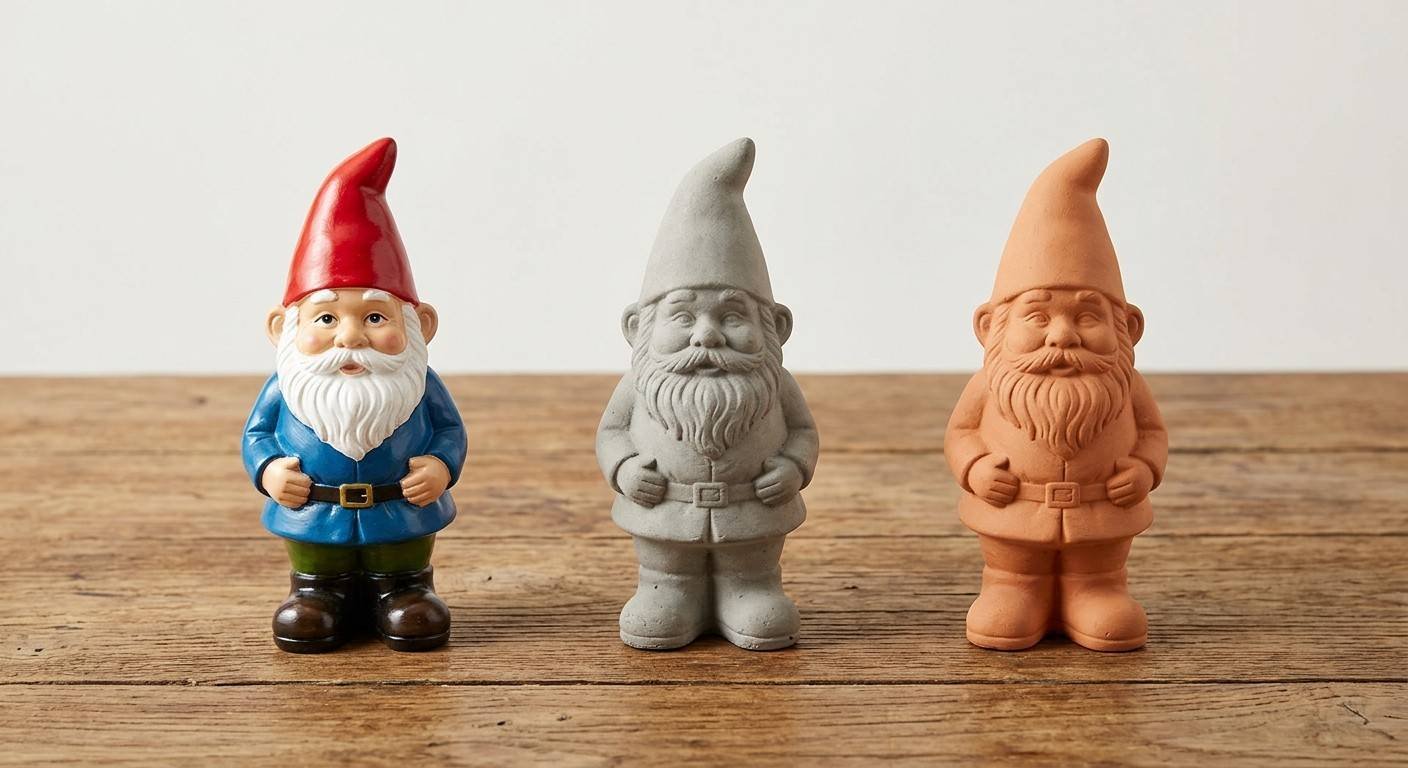
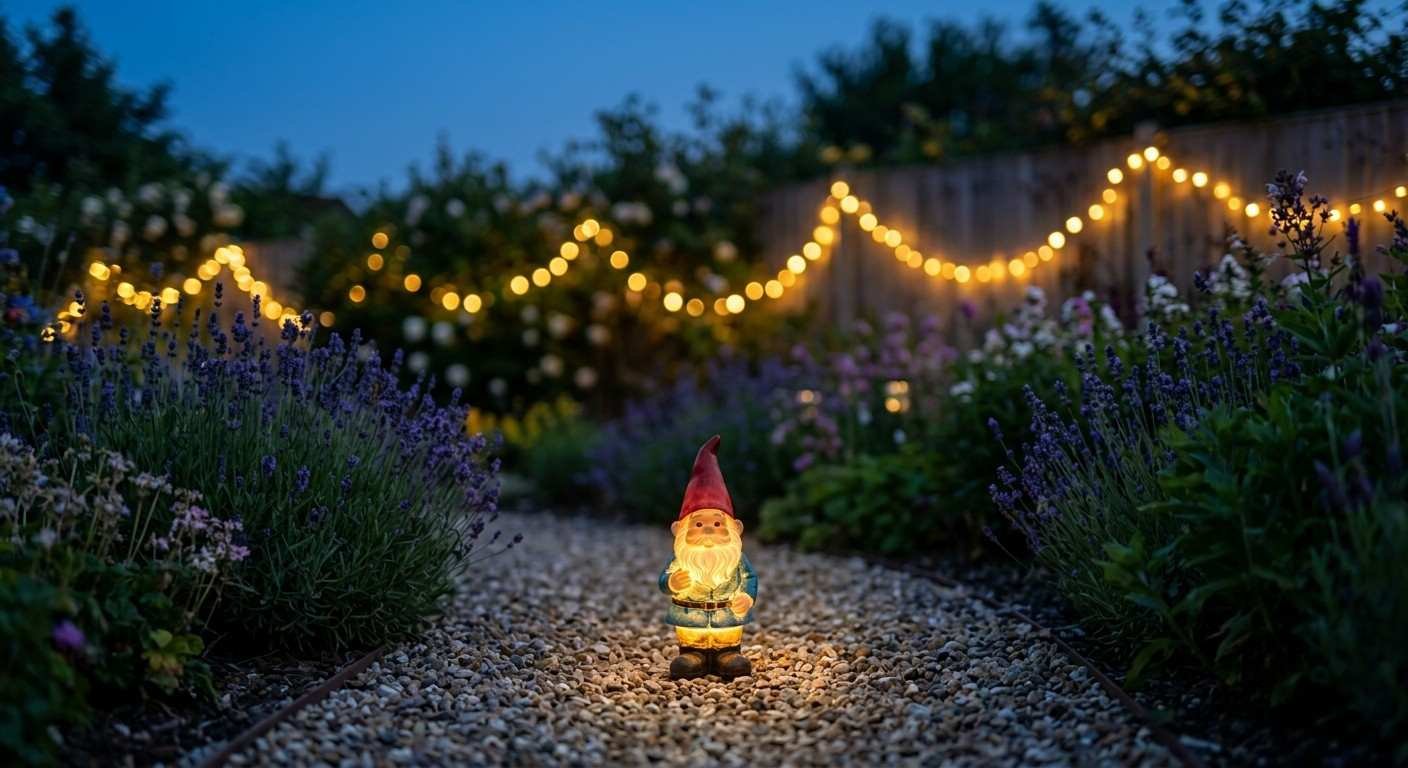
A growing category worth noting: solar and light-up gnomes, which charge by day and glow at night — one of the fastest-growing subcategories in garden decor.
How to Choose the Right One
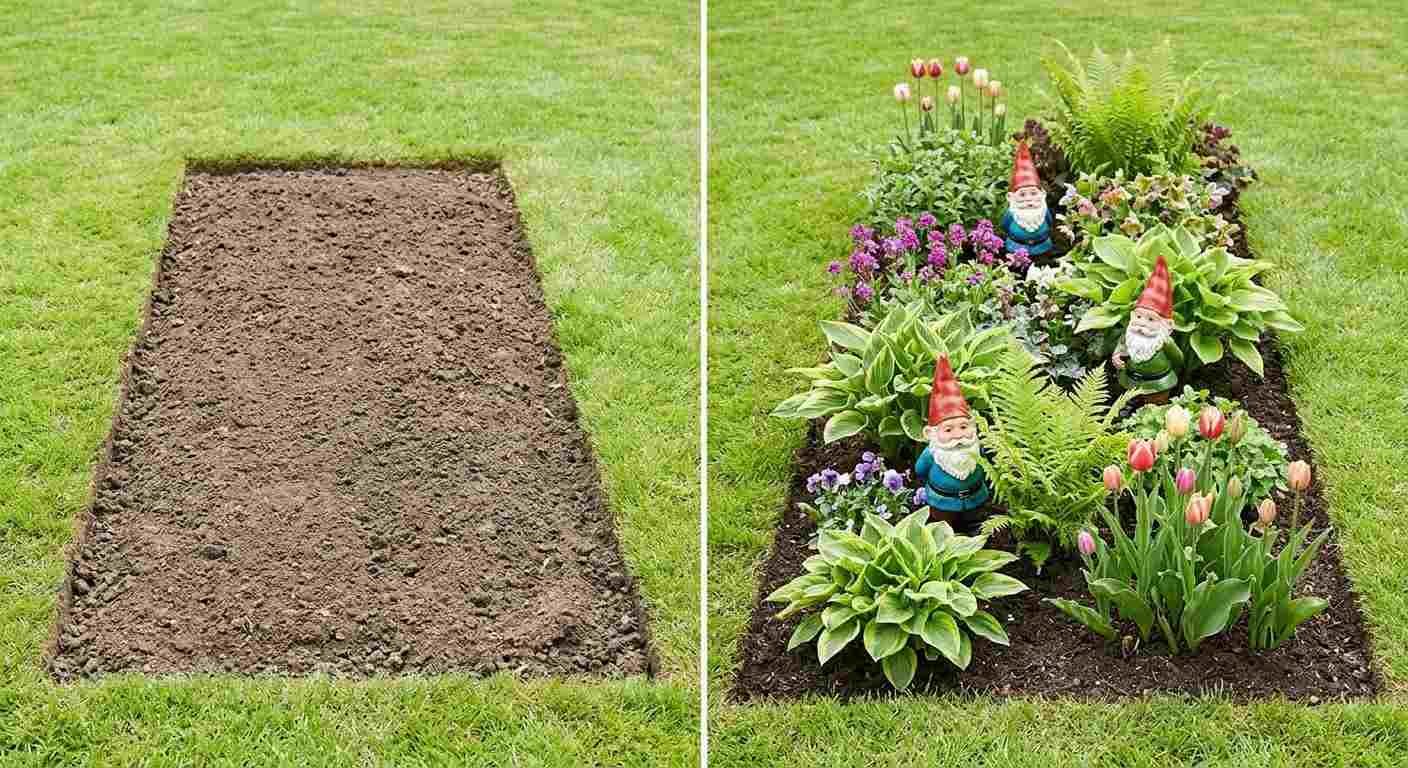
- Size: one oversized gnome works as a statement piece in a small garden; a cluster of 6–10″ gnomes looks more natural scattered along a bed.
- Weatherproofing: resin or high-fired concrete are the safest bets for year-round outdoor display.
- Placement: vary height and angle rather than lining gnomes up, and tuck one partly behind foliage so it’s discovered, not obvious.
Care & Maintenance
- Clean gently with a soft brush, mild soap, and water — skip the pressure washer on painted finishes.
- Bring terracotta and ceramic gnomes indoors for freezing winters to prevent cracking.
- Reapply a UV-protective sealant yearly on resin gnomes to stop colors fading.
- Check for chips each spring before returning gnomes to display.
The Quirky Side of Garden Gnomes
Gnoming & Gnome Roaming
“Gnoming” is a long-running prank where someone “kidnaps” a neighbor’s gnome, photographs it traveling the world, then returns it — a tradition that’s inspired films and countless social posts.
The Chelsea Flower Show Ban
For over a century, garden gnomes were famously banned from the UK’s Chelsea Flower Show, considered too tacky for its formal show gardens — a ban lifted only briefly for a special centenary year.
The Google Doodle “Garden Gnomes” Game
Because so many people search “garden gnomes” while actually looking for this, it deserves its own section.
What it is
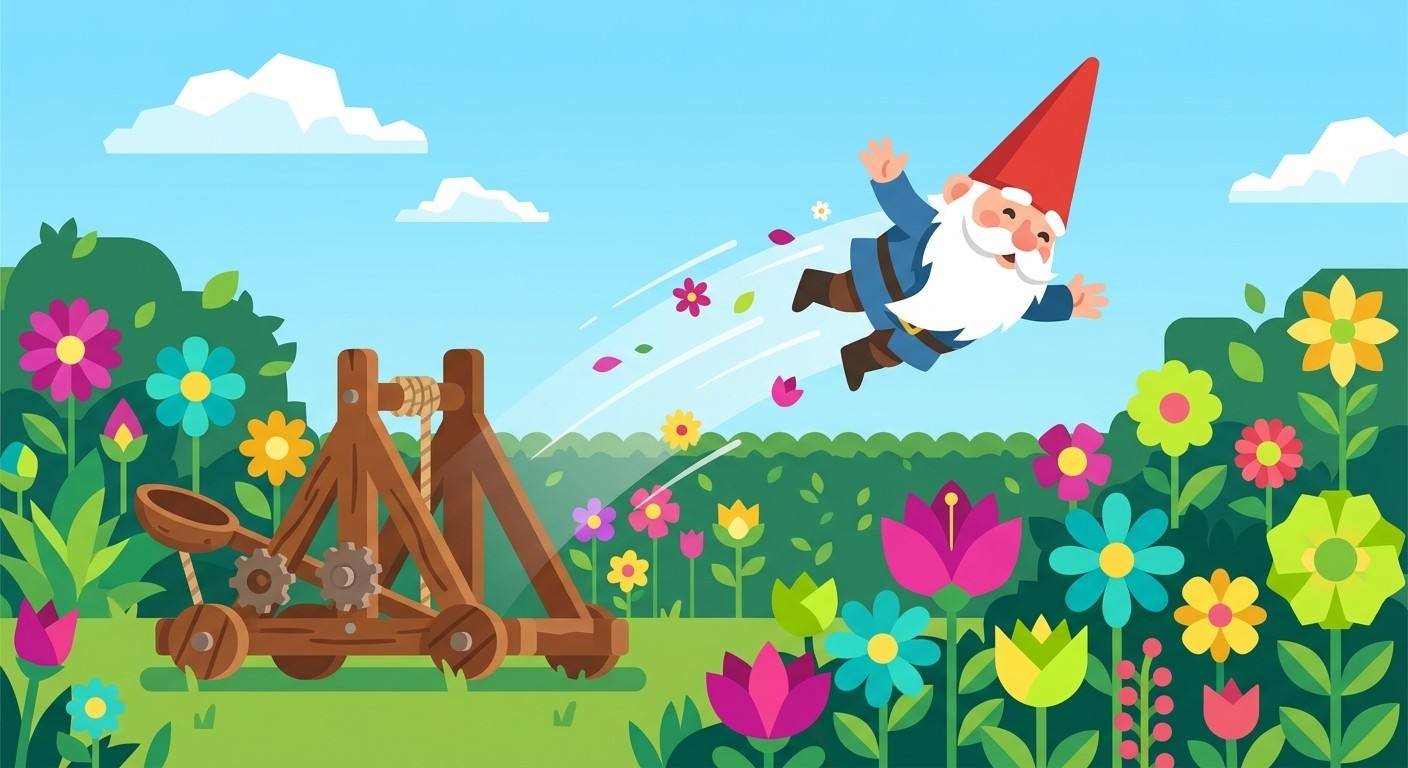
Google released an interactive Doodle called “Garden Gnomes” on June 10, 2018, to mark Garden Day in Germany. Players use a catapult — technically a trebuchet — to launch clay gnomes as far as possible across a garden.
How to play
- Press the spacebar to start the catapult swinging.
- Press it again right after the arc’s apex to launch with maximum distance.
- Tap it once more mid-flight to bounce the gnome off the ground — logs and mushrooms add extra bounce or distance.
The farther the gnome travels, the more flowers it plants and the more points it scores. Replay it any time by searching “Google Doodle Garden Gnomes.”
Frequently Asked Questions
Are garden gnomes bad luck?
No — German folklore ties gnomes to good luck and protection. The “bad luck” idea is modern joke territory, not real tradition.
How do you play the Google Doodle Garden Gnomes game?
Press spacebar to swing the catapult, press again near the top of the arc to launch, then tap once more mid-flight to bounce for extra distance and points.
What’s the difference between a garden gnome and a garden dwarf?
Nothing — “garden dwarf” is simply the English translation of gartenzwerg, the original German term.
What material lasts longest outdoors?
Resin and high-fired concrete hold up best through freeze-thaw cycles and UV exposure; terracotta and standard ceramic crack more easily in cold climates.
Why were garden gnomes banned from the Chelsea Flower Show?
Organizers considered them too kitschy for the show’s formal display gardens; the ban was lifted only for a centenary celebration.
Conclusion
Garden gnomes have come a long way from hand-carved German folk charms meant to protect the home. Today they’re a genuine design category — with dozens of materials, styles, and price points — while also living a second life online as Google’s addictive Doodle game. Whether the goal is styling a flower bed, understanding the tradition, or settling the “which gnome game is this?” confusion, one thing is clear: garden gnomes are equal parts folklore, home decor, and internet nostalgia, and that’s exactly why they’ve stayed relevant for well over a century.
Ready to find your own? Explore the full collection and more guides on the Garden Gnome Hub blog.